
About South Yorkshire
An Overview of South Yorkshire
South Yorkshire is a county situated in the northern region of England, known for its rich history, diverse culture, and picturesque landscapes.
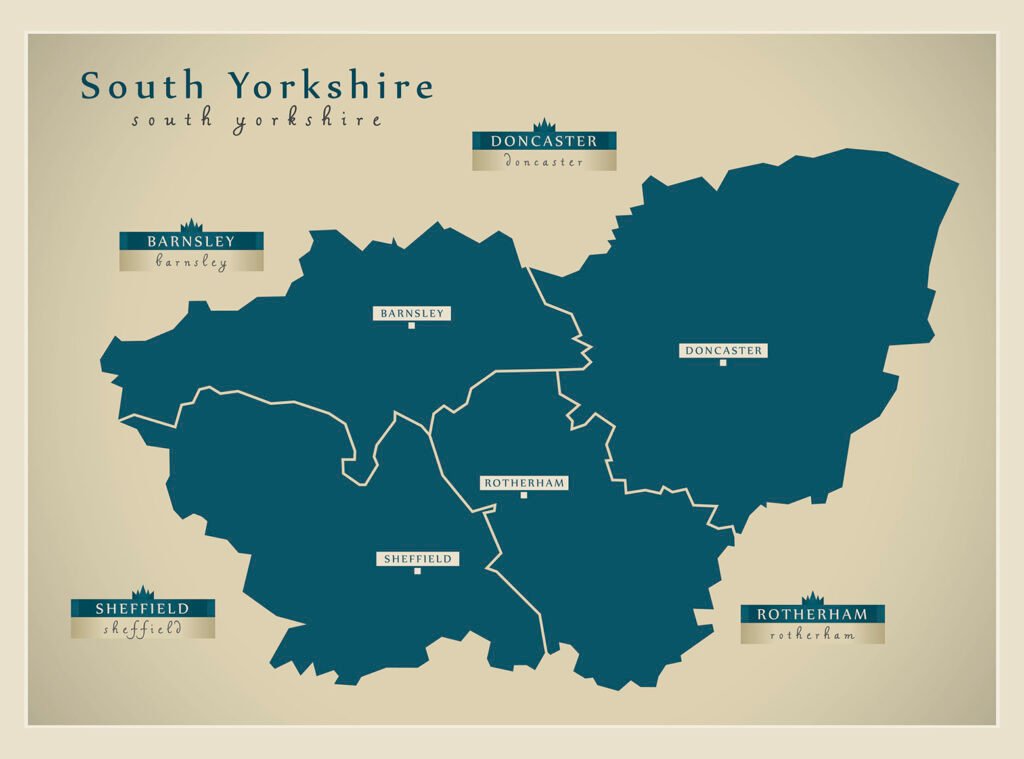
Bordered by South Lancashire to the west, West Yorkshire to the north, and North East Derbyshire to the south, the county plays a pivotal role within the broader tapestry of England. Established in 1974, South Yorkshire encompasses the metropolitan boroughs of Sheffield, Doncaster, Barnsley, and Rotherham, each contributing to the county's unique character and identity.
The geographical landscape of South Yorkshire is varied, showcasing the rugged beauty of the Pennines in the north and the flatter agricultural plains in the south. This diversity in terrain enhances its appeal, drawing visitors and residents alike to enjoy a myriad of outdoor activities, from hiking trails in scenic national parks to leisurely strolls along picturesque riversides. The abundance of natural beauty within South Yorkshire is complemented by an array of urban centers that highlight the county’s industrial heritage. Sheffield, for instance, is renowned for its steel production and vibrant arts scene, while Doncaster offers a glimpse into railway history alongside contemporary shopping experiences.
Cultural diversity thrives in South Yorkshire, a result of its historical development and significance as a hub for various industries. This melting pot fosters a sense of community and inclusivity, as reflected in numerous events and festivals that celebrate everything from traditional local cuisines to international art exhibitions. Notable sites, such as the Peak District National Park and the historic town centers, serve as a testament to South Yorkshire's appeal as both a residential area and a tourist destination.
Map of South Yorkshire
A Brief History of South Yorkshire
South Yorkshire has a rich history that extends back to prehistoric times, evidenced by various archaeological discoveries including stone tools and burial sites. The region, once predominantly agricultural, underwent significant transformation following the Roman invasion in AD 43. Romans established settlements such as Doncaster, known as Danum, which served as a vital station on Watling Street, facilitating trade and military movement.
During the medieval era, South Yorkshire evolved both socially and economically. The growth of towns, spurred by the wool trade, marked a pivotal shift in the region's economic landscape. Sheffield, often referred to as "the Steel City," emerged as a center for blade and metal production, paving the way for technological advancements in metallurgy. The establishment of the Cistercian Abbeys also played a crucial role in promoting agriculture and craftsmanship, contributing to the societal structure of the time.
The Industrial Revolution in the late 18th and early 19th centuries marked a watershed moment in South Yorkshire's history. The region became synonymous with coal mining and steel manufacturing, leading to a remarkable urbanization process. Influential figures such as Benjamin Huntsman, a pioneer of crucible steel production, significantly impacted the economy and laid the foundation for Sheffield's prominence in the global steel industry. However, this rapid industrial growth came at a cost, with communities facing stark challenges including pollution and labor exploitation.
Post-World War II, South Yorkshire continued to grapple with the consequences of deindustrialization. Many traditional industries faced decline, leading to economic and social challenges that necessitated revitalization efforts. Today, South Yorkshire is a region striving to balance its historical legacy with contemporary development, showcasing its ability to adapt while preserving its rich heritage.
The Climate of South Yorkshire
South Yorkshire experiences a temperate maritime climate, which is predominantly influenced by its geographical location in the northern part of England. This region is characterized by distinct seasonal variations in temperature and precipitation, contributing to a generally mild environment throughout the year. The climate is defined by relatively moderate summers and cool winters, making it an appealing destination for both residents and visitors.
During the summer months, typically from June to August, South Yorkshire enjoys warm temperatures, often ranging from 18°C to 25°C. This season is ideal for outdoor activities and events, with many locals taking advantage of the pleasant weather to explore parks, gardens, and festivals. Rainfall is infrequent but can occur, so light rain jackets or umbrellas may be advisable when venturing outside during this period.
As autumn approaches, temperatures begin to cool, and weather patterns become more variable. September to November sees a gradual decline in temperature, with averages between 10°C and 17°C. During this time, the region experiences increased rainfall, and the stunning fall foliage presents opportunities for picturesque walks in nature. Residents often prepare for the impending winter by adjusting their wardrobes to accommodate the cooler, more unpredictable weather.
Winter, spanning from December to February, brings cooler temperatures, generally ranging from -1°C to 8°C. Snowfall can occur, but it is usually light and often melts quickly. The crisp winter air provides an inviting backdrop for seasonal festivities, encouraging residents to partake in indoor activities or venture out to enjoy the scenic winter landscapes. As spring emerges in March, temperatures gradually rise, with the promise of blossoming flowers and longer days, further ushering in a variety of sporting events and outdoor pursuits.
Demographics of South Yorkshire
According to the latest census data, the population of South Yorkshire is approximately 1.4 million people, spread across major urban centers such as Sheffield, Doncaster, Rotherham, and Barnsley. This population size reflects a substantial and dynamic demographic profile, characterized by a blend of longstanding residents and newer arrivals, contributing to an evolving cultural landscape.
One of the defining features of South Yorkshire's demographic makeup is its ethnic diversity. Historically, the region has been predominantly white, but this has changed significantly over the past few decades, driven by immigration and changing social patterns. Today, ethnic minorities constitute a notable proportion of the population, with communities from South Asia, Africa, and Eastern Europe greatly influencing the cultural fabric of the area. This increasing diversity has fostered a more cosmopolitan atmosphere, where various cultural influences can be seen in the local cuisine, festivals, and art.
Age distribution in South Yorkshire also showcases unique characteristics. The region has a significant proportion of younger residents, alongside a growing elderly demographic. This shift is attributed to improved healthcare and an influx of students attracted by the universities in the area. Consequently, the youth population contributes vibrancy through innovative ideas and social enterprise, while the older demographic presents opportunities for community engagement and social support services.
Social trends in South Yorkshire reveal a community experiencing both challenges and resilience. Issues such as unemployment in certain areas and the impact of economic shifts are contrasted by significant regeneration efforts. The establishment of various community initiatives and organizations aims to enhance social cohesion and economic development, illustrating the region’s commitment to progress while honoring its rich cultural heritage. As such, South Yorkshire continues to evolve, reflecting a demographic profile that encapsulates both its historical roots and contemporary influences.
Economy of South Yorkshire
South Yorkshire boasts a diverse and dynamic economic landscape, shaped by its historical roots and the evolution of various sectors. Once predominantly reliant on coal mining and heavy industries, South Yorkshire has successfully transitioned toward a more varied economic framework over the years. Today, manufacturing continues to play a significant role, particularly in advanced manufacturing processes and engineering. Companies specializing in automotive and aerospace components have established a solid presence, contributing substantially to regional employment and output.
In addition to manufacturing, the service sector has become a cornerstone of South Yorkshire's economy. Financial services, retail, and healthcare have experienced notable growth, driven by investments in infrastructure and workforce development. Cities like Sheffield and Doncaster have emerged as key service hubs, offering diverse employment opportunities and attracting talent from surrounding areas. The growth of technology-driven services has further augmented the region’s economic resilience, cultivating an environment ripe for innovation.
Emerging sectors such as digital technology, creative industries, and renewable energy are also gaining traction in South Yorkshire. The growth of tech startups and the establishment of innovation centers reflect the region's commitment to fostering entrepreneurship and adapting to changing economic trends. Initiatives aimed at promoting clean energy solutions showcase South Yorkshire's dedication to sustainability while providing additional opportunities for job creation and investment.
However, South Yorkshire faces challenges, including the need for continued investment in infrastructure, skills training, and tackling regional disparities. Addressing these challenges will be crucial for the region to sustain its economic growth and improve the quality of life for residents. Overall, the economic landscape of South Yorkshire is characterized by its adaptability, blending traditional industries with forward-thinking sectors, positioning it well for future developments.
Major Cities and Towns
South Yorkshire is home to several notable urban centers, each contributing significantly to the region's identity and economic landscape. The most prominent among these cities include Sheffield, Doncaster, Rotherham, and Barnsley, each of which offers a unique blend of history, culture, and modern-day relevance.
Sheffield, widely recognized as the Steel City, boasts a rich industrial heritage that shaped its identity during the 19th century. Today, the city is celebrated for its vibrant arts scene, green spaces, and an array of cultural institutions, such as the Millennium Gallery and the Sheffield Theatres. Sheffield is also a leading hub for technology and innovation, with numerous initiatives driving economic development in sectors such as healthcare and advanced manufacturing.
Doncaster, known for its historical significance and transport links, is an essential part of South Yorkshire’s economy. The town features the iconic Doncaster Racecourse and the impressive Doncaster Museum and Art Gallery. The ongoing regeneration projects aim to enhance the town’s infrastructure and attract businesses, making it increasingly pivotal within the regional economy.
Rotherham, once primarily an industrial town, is evolving into a center of cultural significance. With attractions like the Magna Science Adventure Centre and thriving arts festivals, Rotherham is investing in revitalization efforts to promote tourism and community engagement. The town is poised for growth with a focus on sustainable development and economic diversification.
Lastly, Barnsley stands out for its charming market, historic architecture, and the natural beauty of the surrounding countryside. With initiatives such as the Barnsley Town Investment Plan, the town aspires to innovate and grow its economy while preserving its cultural heritage. Collectively, these cities contribute to the rich tapestry that is South Yorkshire, each offering distinct experiences and opportunities for residents and visitors alike.
Cultural Attractions and Heritage
South Yorkshire boasts a vibrant cultural heritage, encompassing a variety of museums, galleries, theaters, and historical sites that collectively narrate the region's rich past and dynamic present. The natural beauty of its surroundings is complemented by a diverse array of cultural attractions that reflect the local history and community spirit.
One of the region's most significant institutions is the Museum Sheffield, which incorporates several galleries and focuses on the art and history of the city. This museum not only showcases local artwork but also hosts temporary exhibitions that explore broader themes. The Millennium Gallery is another key attraction, known for its collection of metalwork and contemporary art, offering a space where tradition and modernity meet seamlessly.
Theaters play a crucial role in South Yorkshire’s cultural scene, with venues such as the Crucible Theatre in Sheffield gaining national acclaim for their innovative performances, including the prestigious World Snooker Championship. As for historical sites, the iconic Chatsworth House, located just outside the region, exemplifies the grandeur of British aristocracy and offers visitors an insight into the lives of the Devonshire family.
Local festivals contribute greatly to the cultural landscape, with events such as the Sheffield Doc/Fest, which celebrates documentary filmmaking, and the Doncaster Arts Festival, highlighting local talent and artistic endeavors. These festivals allow residents and visitors alike to engage with the community, fostering a sense of belonging and pride in local traditions.